Welcome to Neu Flavor Ice Cream: A Journey into Texture
At Neu Flavor Ice Cream in La Mesa, CA, we believe that the magic of ice cream is as much about texture as it is about flavor. Whether you're enjoying a soft serve cone on a sunny day or indulging in a rich sundae, the texture plays a crucial role in your experience. In this guide, we'll demystify the technical aspects of ice cream texture and explain them in simple terms, so you can better appreciate your favorite frozen treat.
The Basics of Ice Cream Texture
Ice cream texture is influenced by several key factors, including the size and distribution of ice crystals, the presence of air, and the fat content. Let's break these down in simple terms:
- Ice Crystals: The tiny ice crystals in ice cream are what give it its smooth texture. Smaller crystals mean a creamier ice cream.
- Air Incorporation: Also known as 'overrun,' this refers to the amount of air whipped into the ice cream during freezing. More air results in a lighter texture, while less air makes it denser.
- Fat Content: Fat adds richness and creaminess. The way fat is emulsified in the mixture can greatly influence the mouthfeel.
Soft Serve vs. Traditional Ice Cream
Understanding the difference between soft serve and traditional ice cream can enhance your appreciation and experience. Here's a simple breakdown:
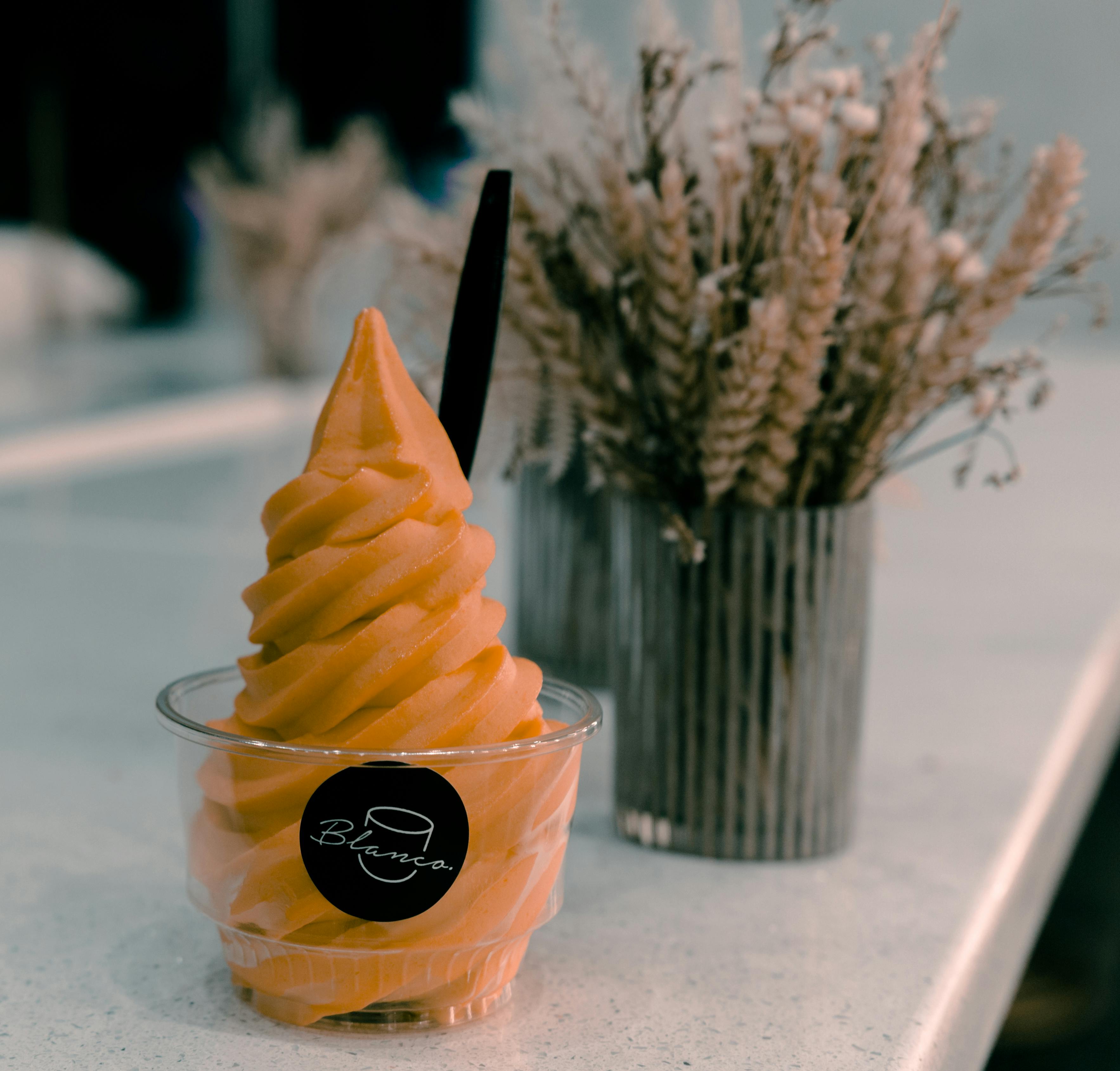
- Soft Serve: This type of ice cream has a higher overrun and is served at a slightly warmer temperature, making it softer and lighter. The higher air content and softer state highlight flavors differently.
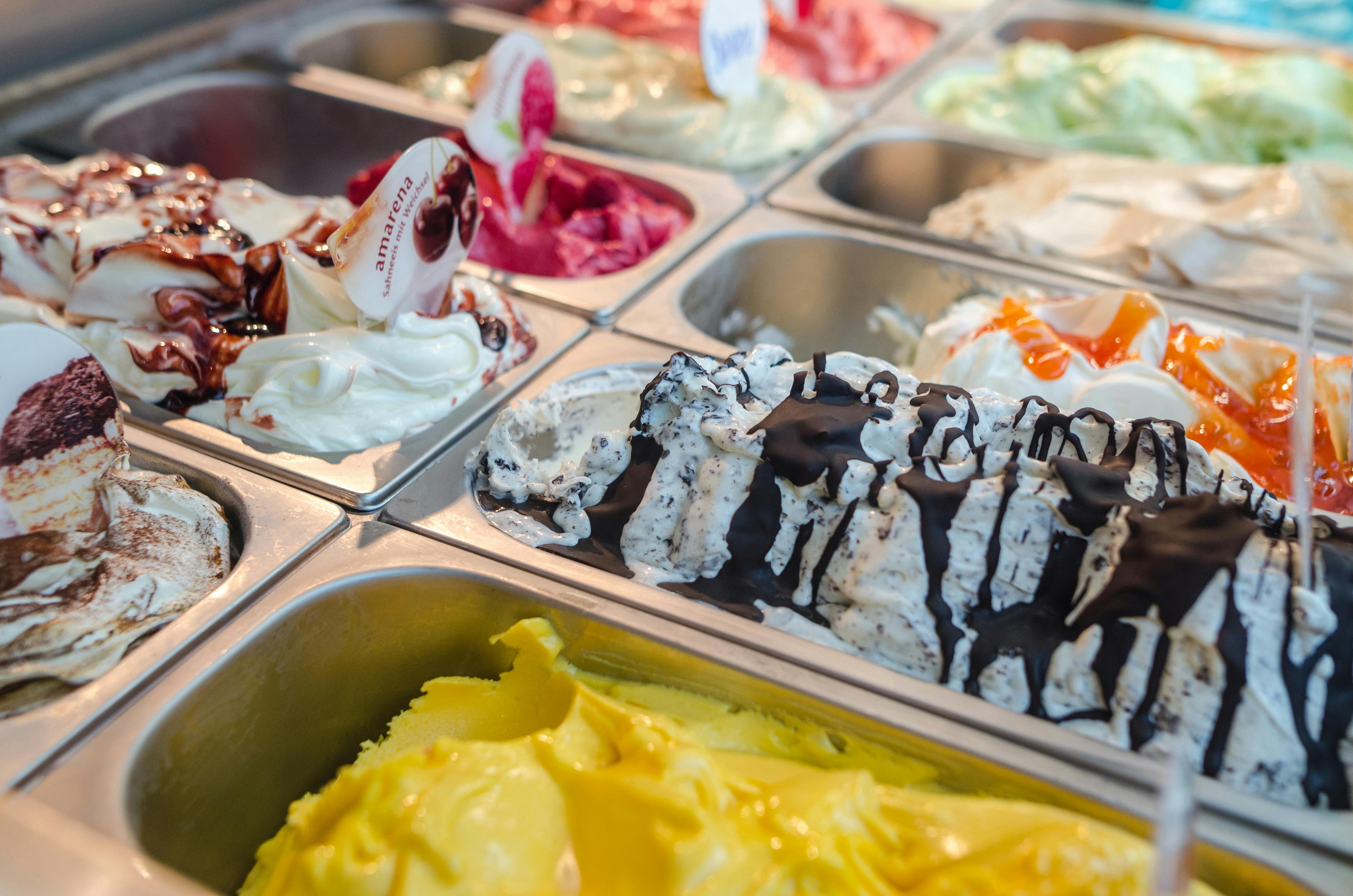
- Traditional Ice Cream: Typically has a lower overrun, meaning it is denser and creamier. This is often preferred for more indulgent textures.
The Role of Ingredients
Every scoop of ice cream is a delicate blend of ingredients working in harmony. Key ingredients that impact texture include:
Dairy and Non-Dairy Bases
Most ice creams are made from a dairy base, but non-dairy options are also popular. Dairy bases typically provide a creamier texture, while non-dairy alternatives can offer unique consistencies depending on the main ingredient, such as coconut milk or almond milk.
Stabilizers and Emulsifiers
These are ingredients added to improve texture and consistency. Stabilizers like guar gum or carrageenan help maintain smoothness, while emulsifiers like lecithin ensure that fat and water mix well.
How Temperature Affects Texture
Temperature is a crucial factor in ice cream texture. Here's how it works:
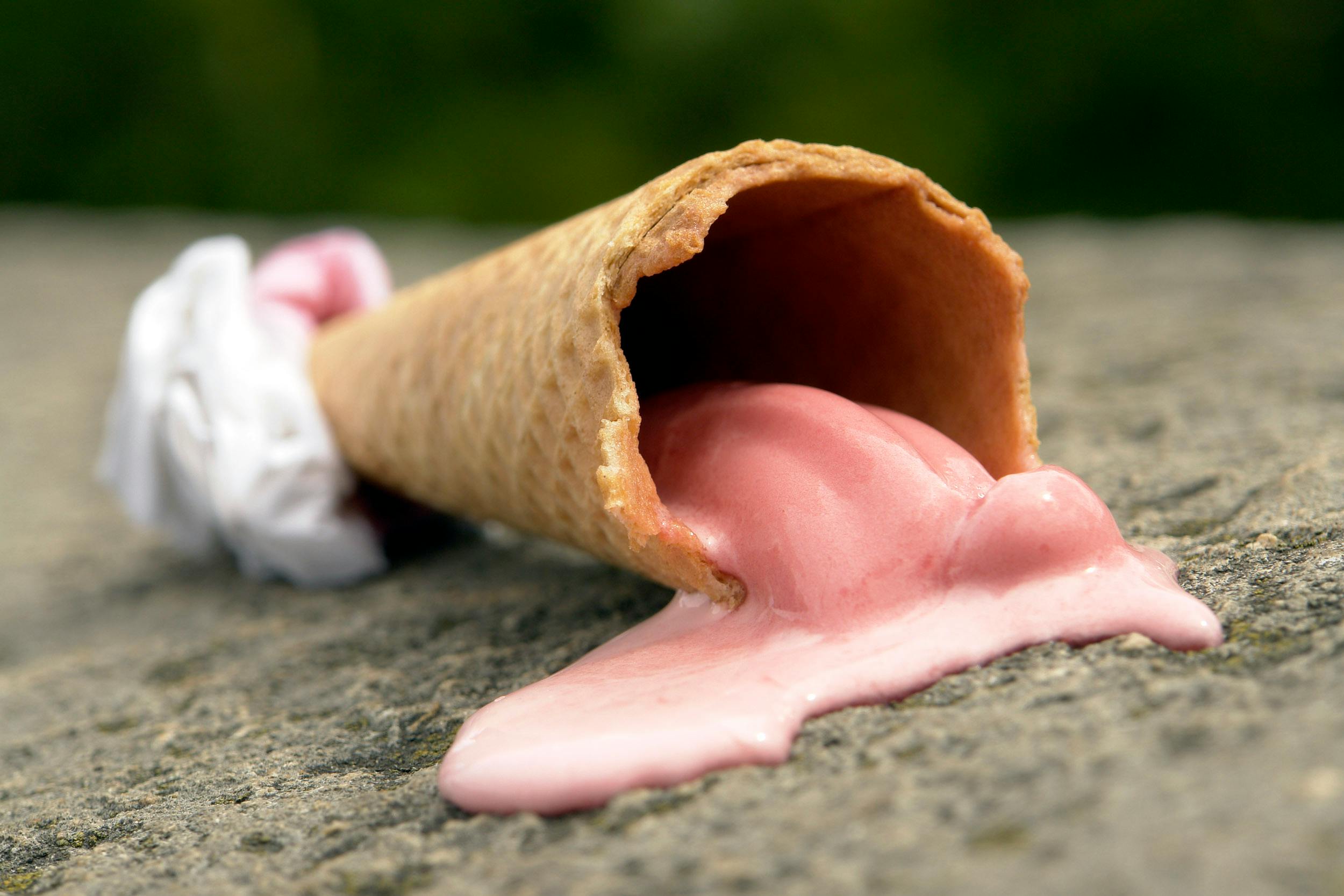
- Serving Temperature: Ice cream is best enjoyed slightly below freezing. Serving it too cold can make it hard and mute flavors, while serving it too warm can cause it to melt quickly.
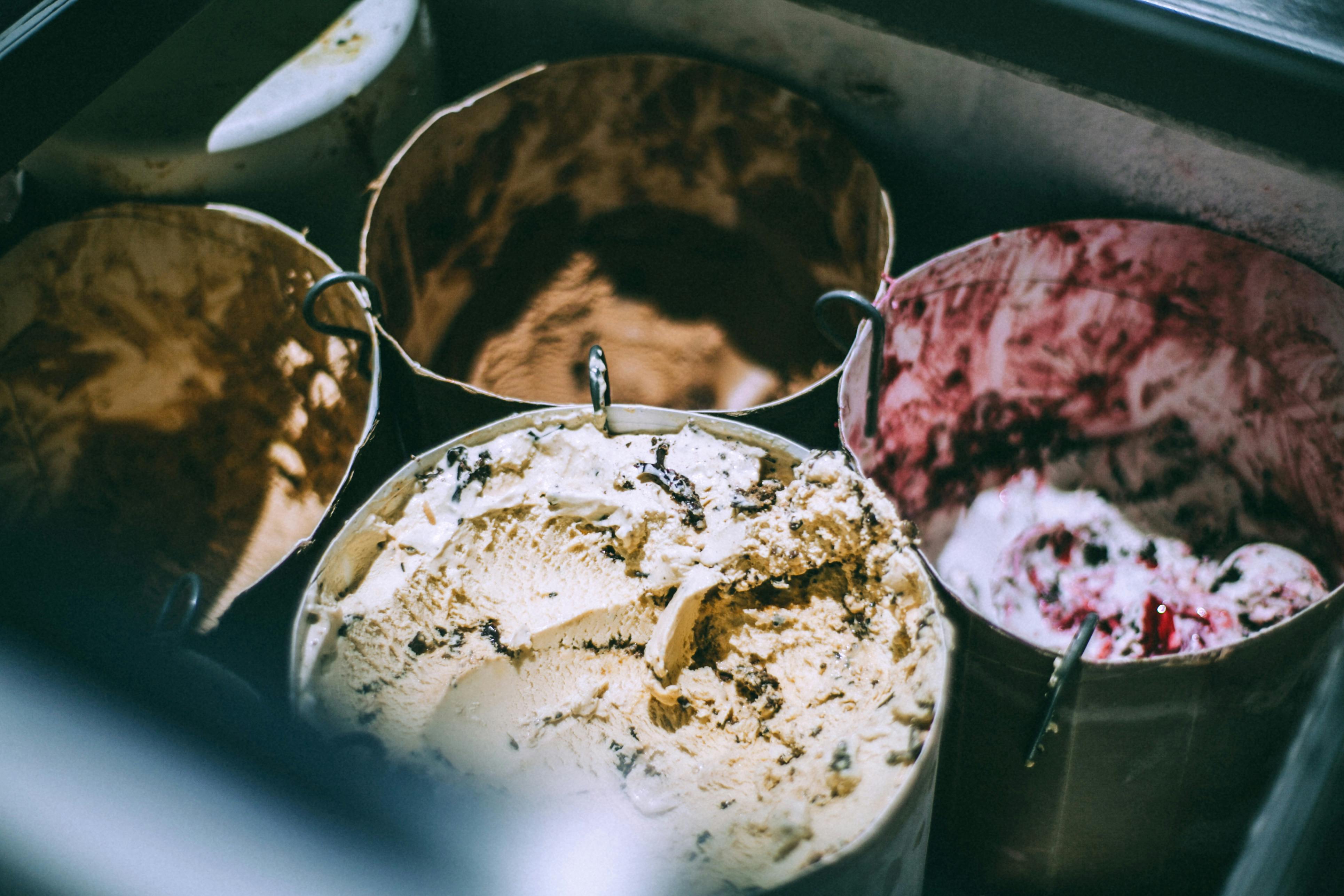
- Storage Temperature: Consistent freezing temperatures prevent ice crystal growth. Fluctuations can lead to larger crystals and a grainy texture.
Enjoying Ice Cream in La Mesa
Now that you understand the basics of ice cream texture, it's time to enjoy the diverse offerings at Neu Flavor Ice Cream. Whether you're in the mood for a soft serve cone or a rich sundae, knowing the science behind the texture can enhance your enjoyment.
Visit us at our La Mesa location to explore our wide range of textures and flavors. Whether you're a local or just passing through, our ice cream is sure to delight your senses with every bite.
Conclusion: More Than Just a Sweet Treat
Ice cream is an art and a science. By understanding the elements that contribute to texture, you can appreciate the craftsmanship behind each scoop. At Neu Flavor Ice Cream, we strive to deliver the perfect texture in every cone, cup, and sundae. We invite you to join us in celebrating the delightful nuances of ice cream textures right here in La Mesa, CA.